~ Michael Milken, CNBC interview, 7:05 mark, May 2, 2023
Showing posts with label people - Milken; Michael. Show all posts
Jun 9, 2023
Michael Milken on the expanding role of private credit
This country has been primarily financed since the 1970s by public and private markets. Banks in America only hold 20% of the loans. 80% are owned by others. So I think we're just going to see a decrease in the percentage of loans that are owned by the banking system and we will be stronger as they move into the hands of people like pension funds that have long-term liabilities.
May 11, 2023
Michael Milken on what landed banks in trouble
You shouldn't have borrowed short and lent long. Finance 101. How many times, how many decades are we going to learn this lesson of borrowing overnight and lending long? Whether it was 1970s, the 1980s, the '90s and again here. The banks have enough credit. They had enough equity. The had enough ability to absorb credit losses that are coming.
However, what they did was doubled, tripled, quadrupled their size by borrowing overnight at artificially low rates and buying intermediate securities. There's $30 trillion of them out there and let's say they're worth 85 cents on the dollar. Who has an unrealized loss of three trillion dollars? What we know, number one, is the Fed has the largest share of that loss, $800 billion or $900 billion, but they can print money so that isn't an issue... What we saw here is organizations - great companies - like Silicon Valley Bank, like First Republic, what they turned themselves into was adding to income by borrowing short and lending long. In the case of Silicon Valley, really government agencies, municipals, in the case of First Republic, fixed-rate mortgages with floating rate liabilities.
So this is Finance 101. People are so focused on credit risk, etc., but one of the great risks is interest rate risk.
~ Michael Milken, CNBC interview, 1:15 mark, May 2, 2023
Feb 19, 2020
Joe Nocera on the Michael Milken pardon
[O]f all the pardons handed out by Trump, I can’t think of one that is more deserved. In his best-selling book about Milken, “Den of Thieves,” James B. Stewart described the junk-bond king as being at the center of “the greatest criminal conspiracy the financial world has ever known.” Well, that’s certainly what Giuliani wanted people to think, but it was never true. Giuliani perp-walked executives whom he never ended up charging. He put firms out of business for no good reason. A number of his highly publicized convictions
were reversed on appeal.
As for Milken, he agreed to the plea bargain only after Giuliani indicted his brother and sent the FBI to interrogate his 92-year-old grandfather. Before sentencing, Judge Kimba Wood held an unusual hearing to allow prosecutors to lay out the case they would have brought had Milken gone to trial. It was far from a slam dunk; even Wood acknowledged that some of the testimony was ambiguous as to whether Milken had manipulated stock or committed insider trading. It was clear from the hearing that had Milken gone to trial, he had a decent chance of winning. Although Wood originally sentenced Milken to 10 years in prison, she eventually reduced it to two.
In her remarks before sentencing Milken, Wood noted that many of the letters she received said that Milken should be punished because
~ Joe Nocera, "Michael Milken Deserved a Pardon, But He Didn't Need One," Bloomberg.com, February 19, 2020
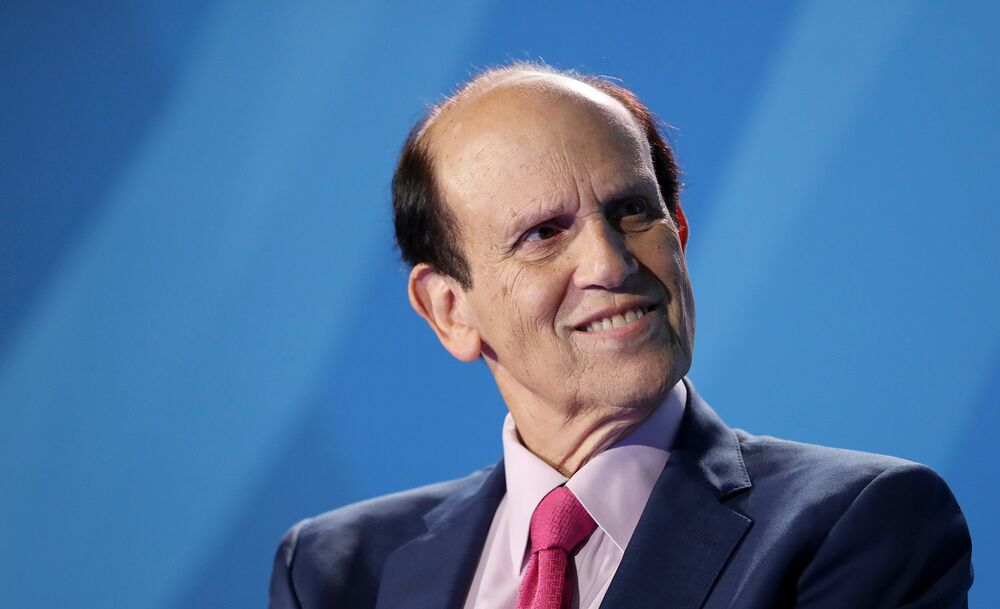
As for Milken, he agreed to the plea bargain only after Giuliani indicted his brother and sent the FBI to interrogate his 92-year-old grandfather. Before sentencing, Judge Kimba Wood held an unusual hearing to allow prosecutors to lay out the case they would have brought had Milken gone to trial. It was far from a slam dunk; even Wood acknowledged that some of the testimony was ambiguous as to whether Milken had manipulated stock or committed insider trading. It was clear from the hearing that had Milken gone to trial, he had a decent chance of winning. Although Wood originally sentenced Milken to 10 years in prison, she eventually reduced it to two.
In her remarks before sentencing Milken, Wood noted that many of the letters she received said that Milken should be punished because
We as a society must find those responsible for the alleged abuses of the 1980s, economic harm caused savings and loan associations, takeover targets and those allegedly injured by the issuance of junk bonds as well as by insider trading and other alleged abuses, and punish these criminals in proportion to the losses believed to have been suffered. These writers ask for a verdict on a decade of greed.Such sentiments, while understandable, could not be the basis for sentencing Milken, Wood concluded; she had to focus on the crimes to which he had pleaded guilty. And yet, it has always seemed to me that Milken was punished for these much broader transgressions.
~ Joe Nocera, "Michael Milken Deserved a Pardon, But He Didn't Need One," Bloomberg.com, February 19, 2020
Nov 29, 2007
Jim Michaels on rebels, upstarts and Michael Milken
Jim Michaels had a soft spot for rebels and upstarts. In 1961, when he became editor, FORBES was devoted to the doings of big corporations. By the time he left that job we were giving equal time to entrepreneurs and innovators. Upstarts are not universally admired. Software entrepreneurs put a million secretaries out of work. If the stores on Main Street are boarded up, Sam Walton is to blame. MCI's success sent many a phone company worker to the unemployment line.
Michaels had a particular fascination with Michael Milken, and coauthored an epic story in 1992 telling the discredited financier's view of things. Sympathy for the devil? Well, Michaels was scarcely naive about this guy; his magazine was early (in 1984) in explaining Milken's bond-trading shenanigans. But by the time of his jailhouse interview with the junk bond king, Michaels had come to see Milken in a Schumpeterian light. Whether or not Milken had broken the rules of securities trading was far less important than how he had broken the patterns of capital formation. He had staked entrepreneurs, upstarts and predators to capital that they never would have seen from the old Wall Street. By doing so, he financed creative destruction: the shrinking of old industries and the building of new ones. For that, Milken became, in the mainstream media, an enemy of the people.
~ William Baldwin, editor, Forbes, "Iconoclasts," October 29, 2007
Michaels had a particular fascination with Michael Milken, and coauthored an epic story in 1992 telling the discredited financier's view of things. Sympathy for the devil? Well, Michaels was scarcely naive about this guy; his magazine was early (in 1984) in explaining Milken's bond-trading shenanigans. But by the time of his jailhouse interview with the junk bond king, Michaels had come to see Milken in a Schumpeterian light. Whether or not Milken had broken the rules of securities trading was far less important than how he had broken the patterns of capital formation. He had staked entrepreneurs, upstarts and predators to capital that they never would have seen from the old Wall Street. By doing so, he financed creative destruction: the shrinking of old industries and the building of new ones. For that, Milken became, in the mainstream media, an enemy of the people.
~ William Baldwin, editor, Forbes, "Iconoclasts," October 29, 2007
Subscribe to:
Posts (Atom)
